A catalogue that fits your business, and stock that keeps itself
You never mark anything as sold or received. The stock of a product is the sum of what actually happened to it, and every movement names the document behind it.
Sell things and sell time
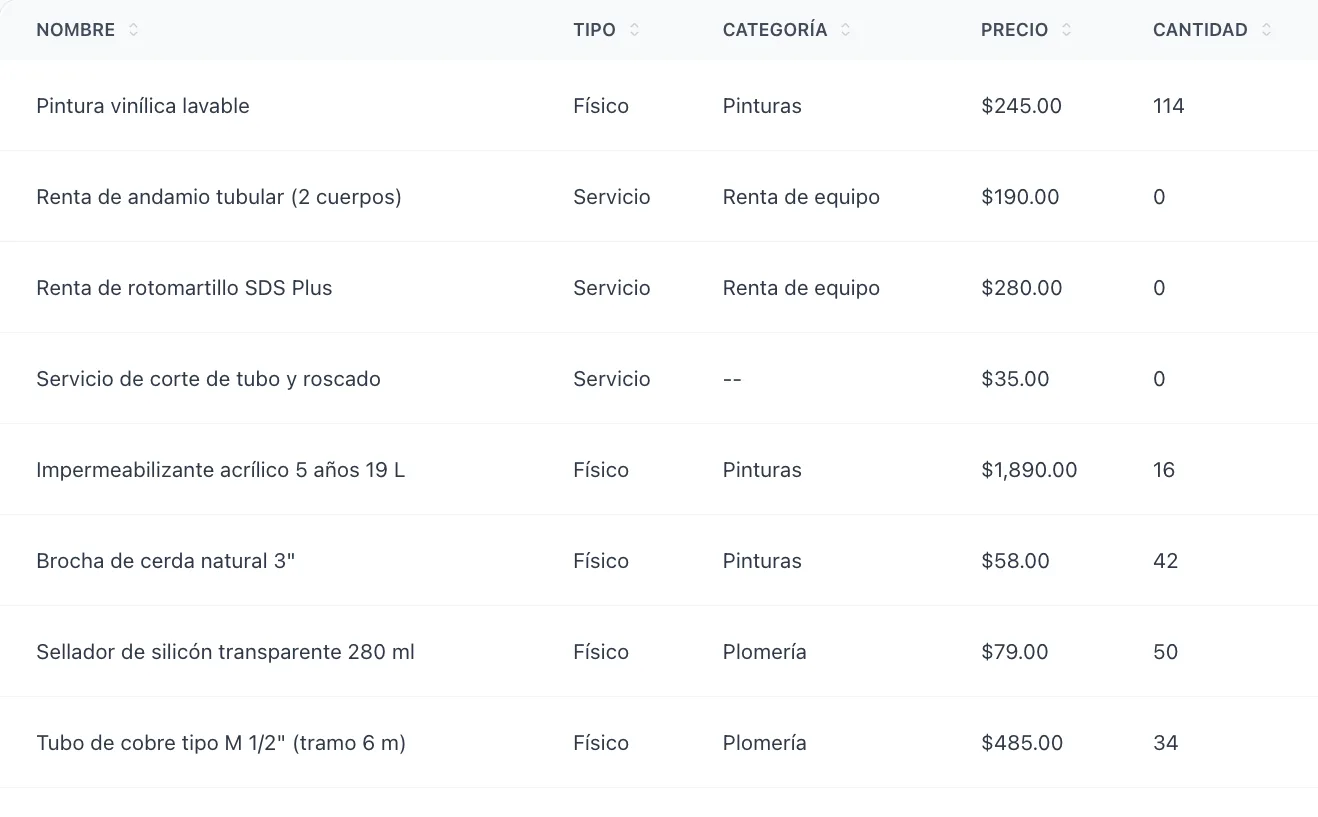
A physical product counts units; a service does not. That single choice decides whether a line touches your inventory, so a workshop and a shop use the same catalogue.
Stock that moves on its own
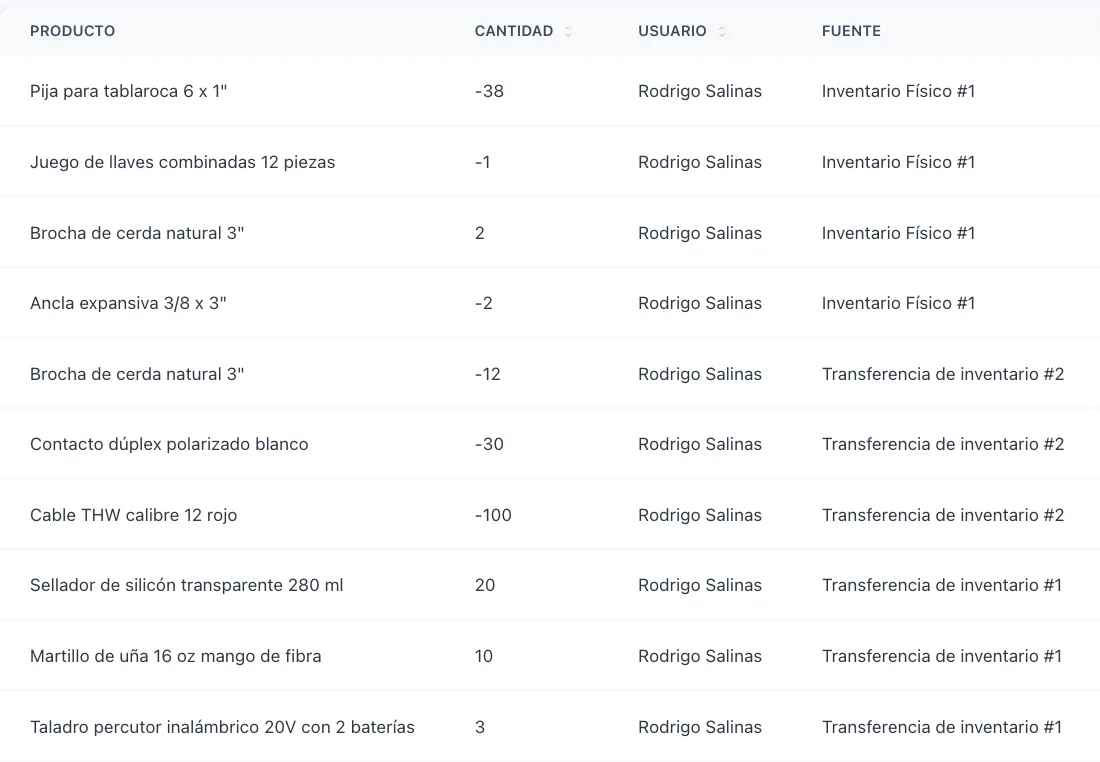
Finishing a sale subtracts, finishing a purchase adds, a return gives back, a transfer moves. When a count does not match, the row that broke it is there with its document and the person who was signed in.
Sell half a metre and three quarters of a litre
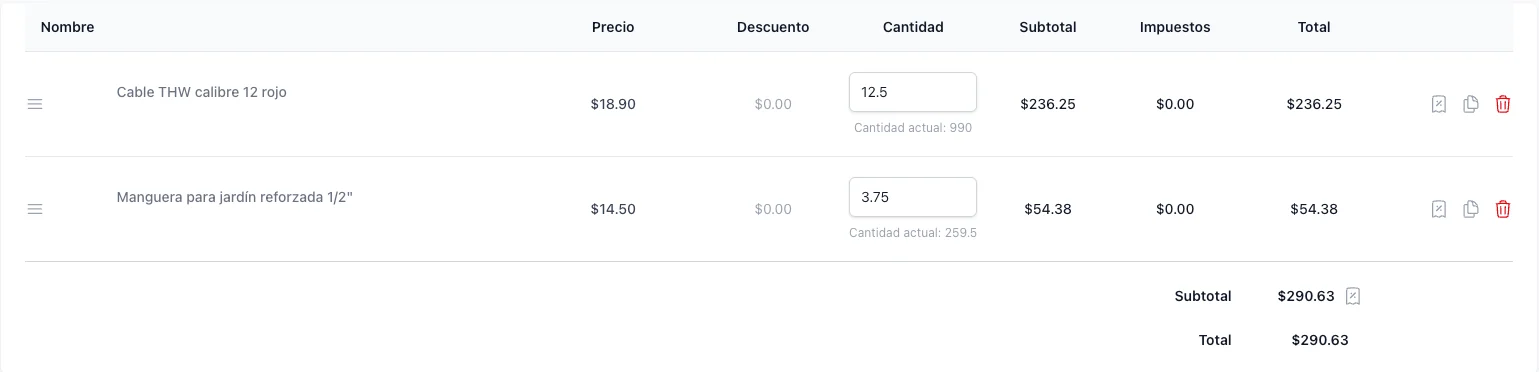
A product can be sold in fractions down to three decimals, and the stock carries the fraction too. Cable, paint, cold cuts and hardware all count the way they are actually sold.
One product, every size and colour
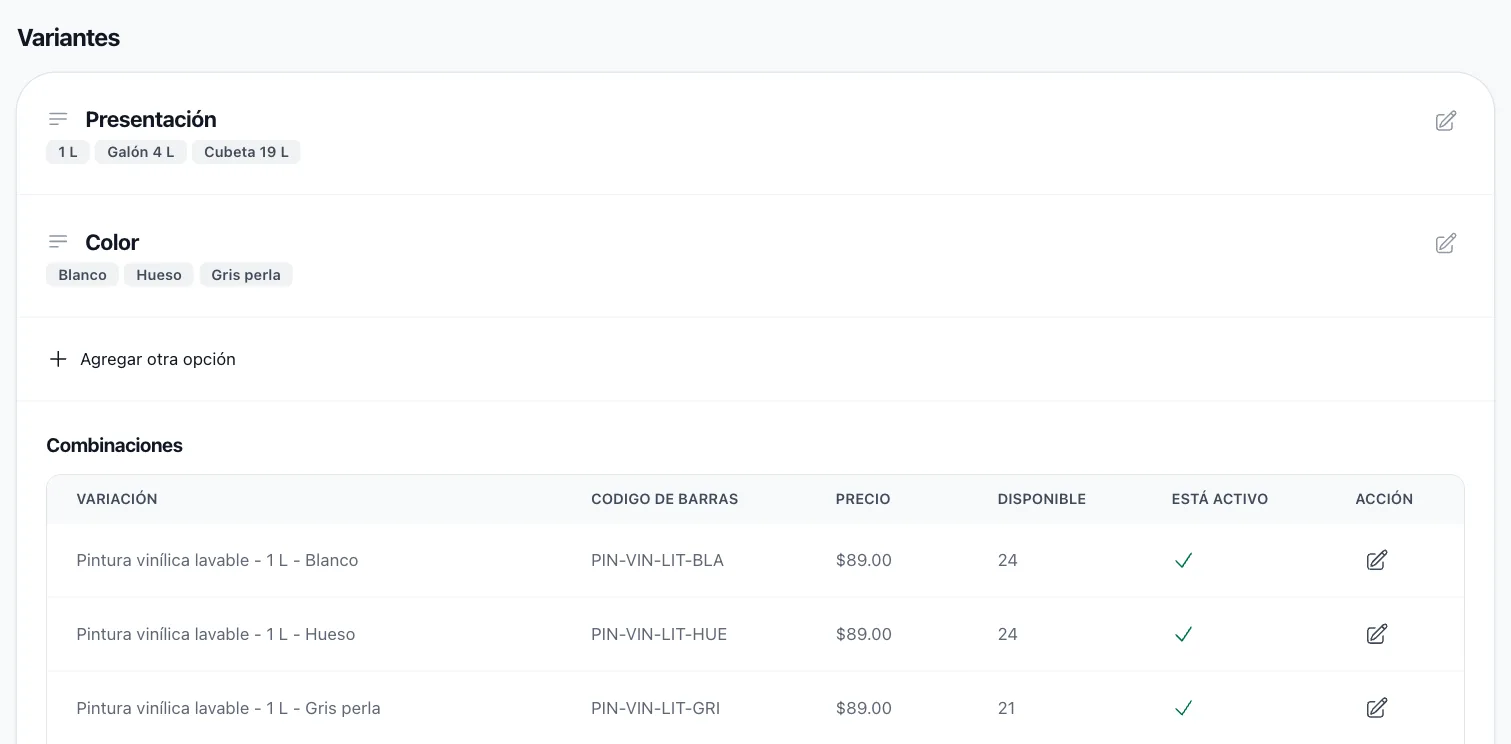
Define the options once and the combinations come out of them, each with its own stock and its own barcode. The catalogue stays one product long.
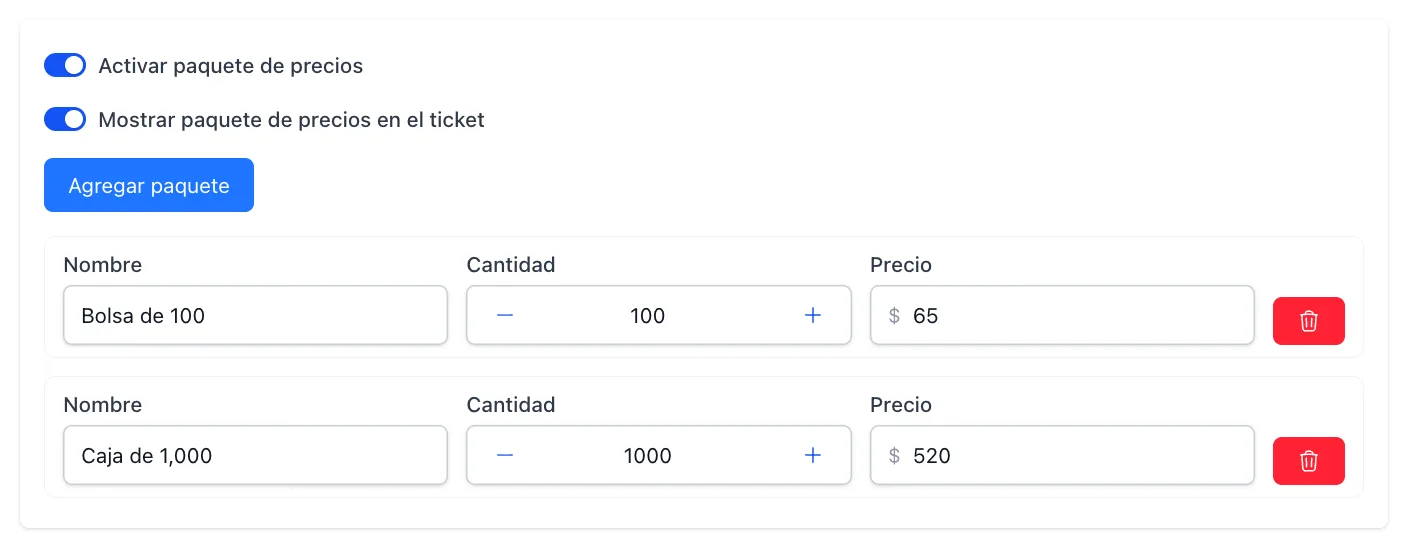
Charge less for buying more
Price packages set a different price by quantity, so the price drops on its own when the line reaches the amount you decided.
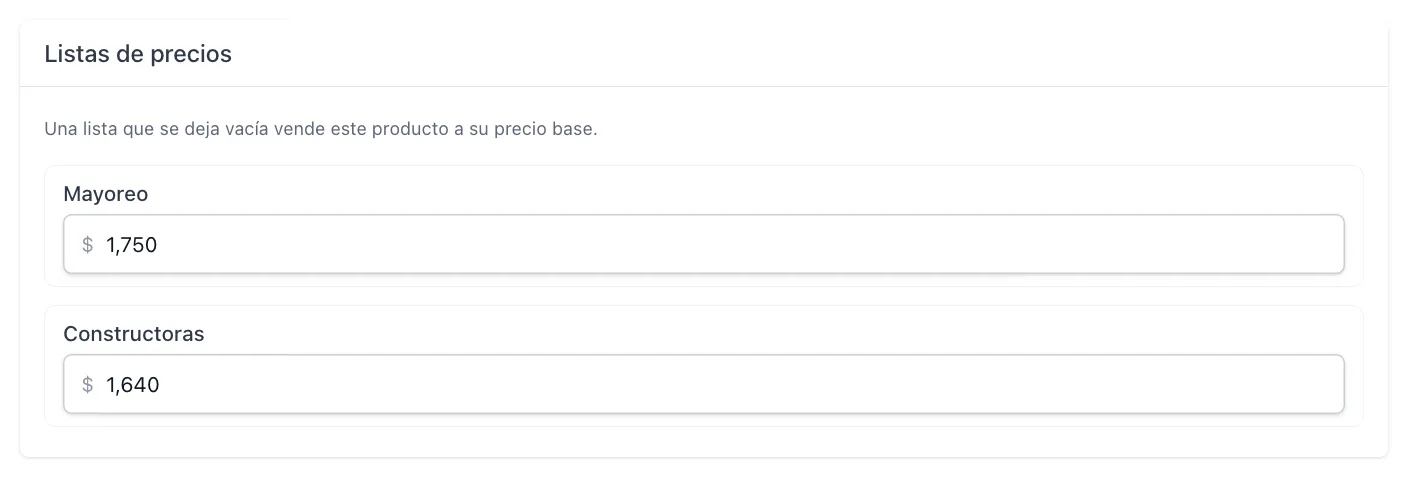
Charge each customer the price that is theirs
Name the lists you charge by — wholesale, regulars, a company with its own deal — give each client one and each product its price on it. The sale arrives at that price on its own, and a product you leave empty keeps its normal price.
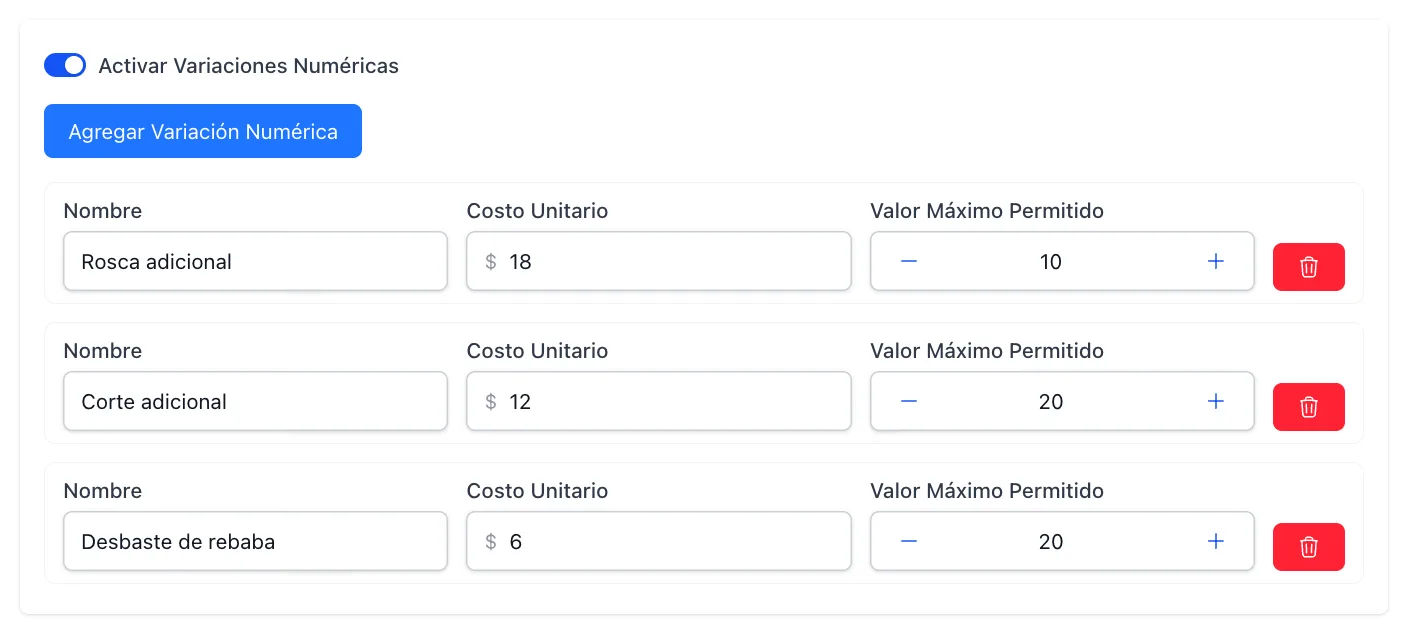
Charge the extras on top of the product
An extra ingredient, more candles, an additional hour: define each extra on the product with its unit cost and the most a line can carry, then add them when you sell and their cost joins the line.
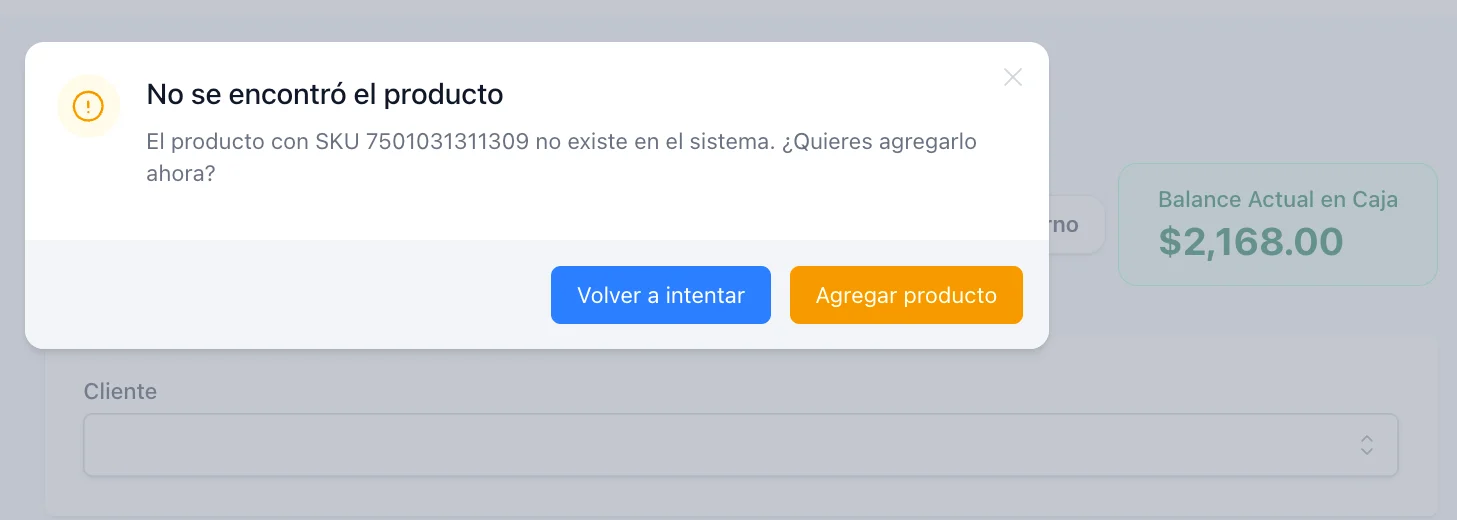
Scan and keep going
The scanner is listened for on the whole screen, so nothing has to be clicked into first. A code that matches nothing offers to create the product with it.
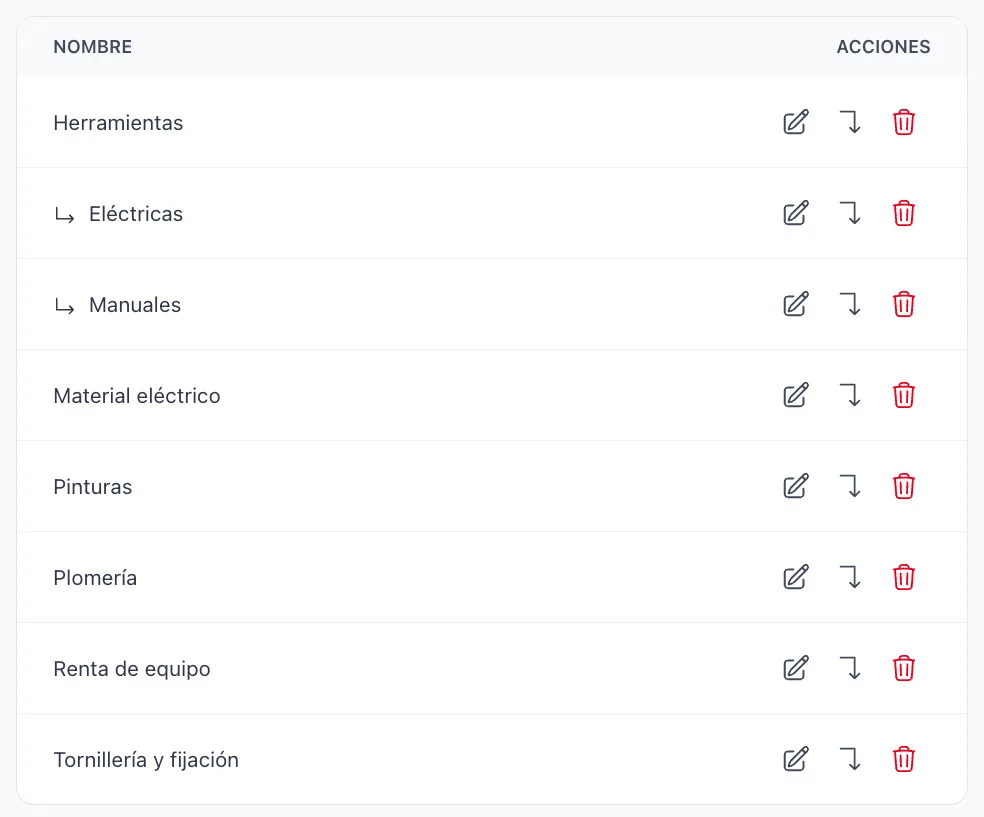
Find a product the way you name it
Categories in a short tree, synonyms for what your people actually call things, and a search that reads the name, the code and the description.
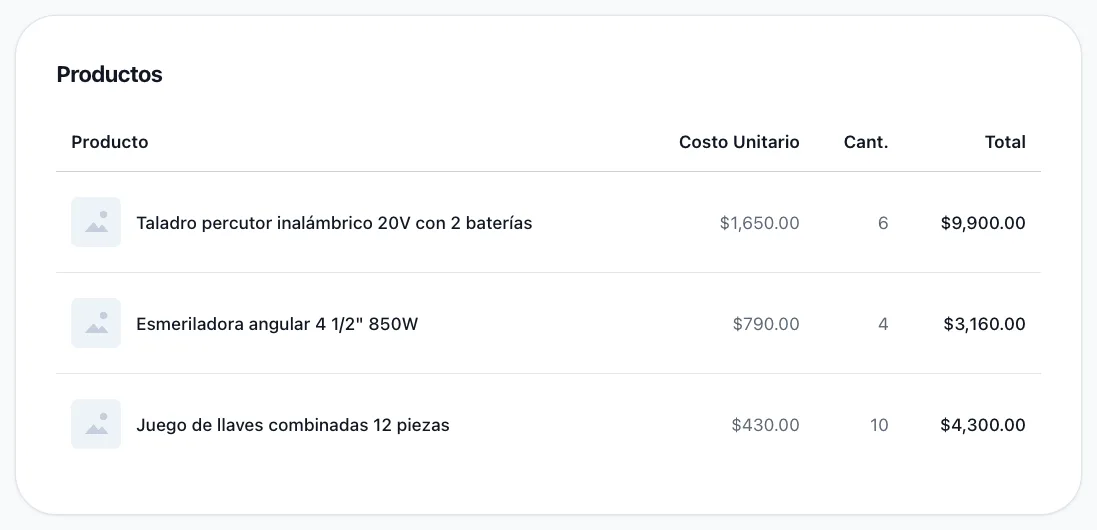
Buy from your suppliers and know your real cost
Write the order, finish it, and the stock arrives at the price you paid. Every sale afterwards consumes the oldest purchases first, so the profit on a sale is the real one.
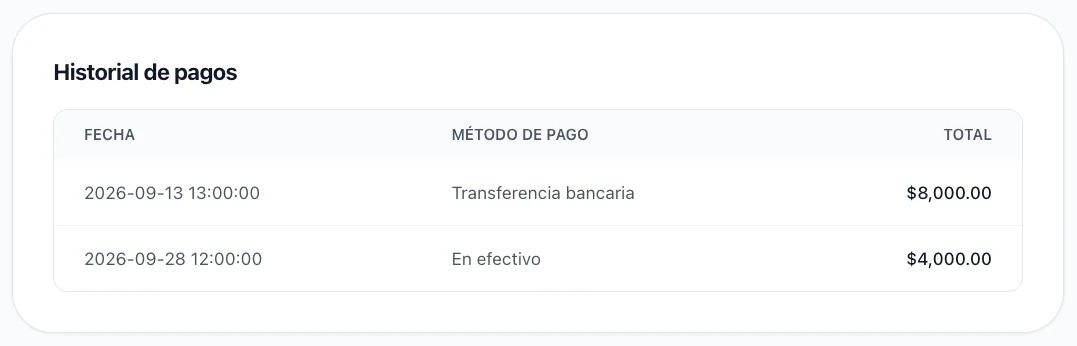
Pay the supplier and record it where it belongs
A purchase carries its own payments and its own payment status, in full or in parts, and a cancellation says whether the money came back.
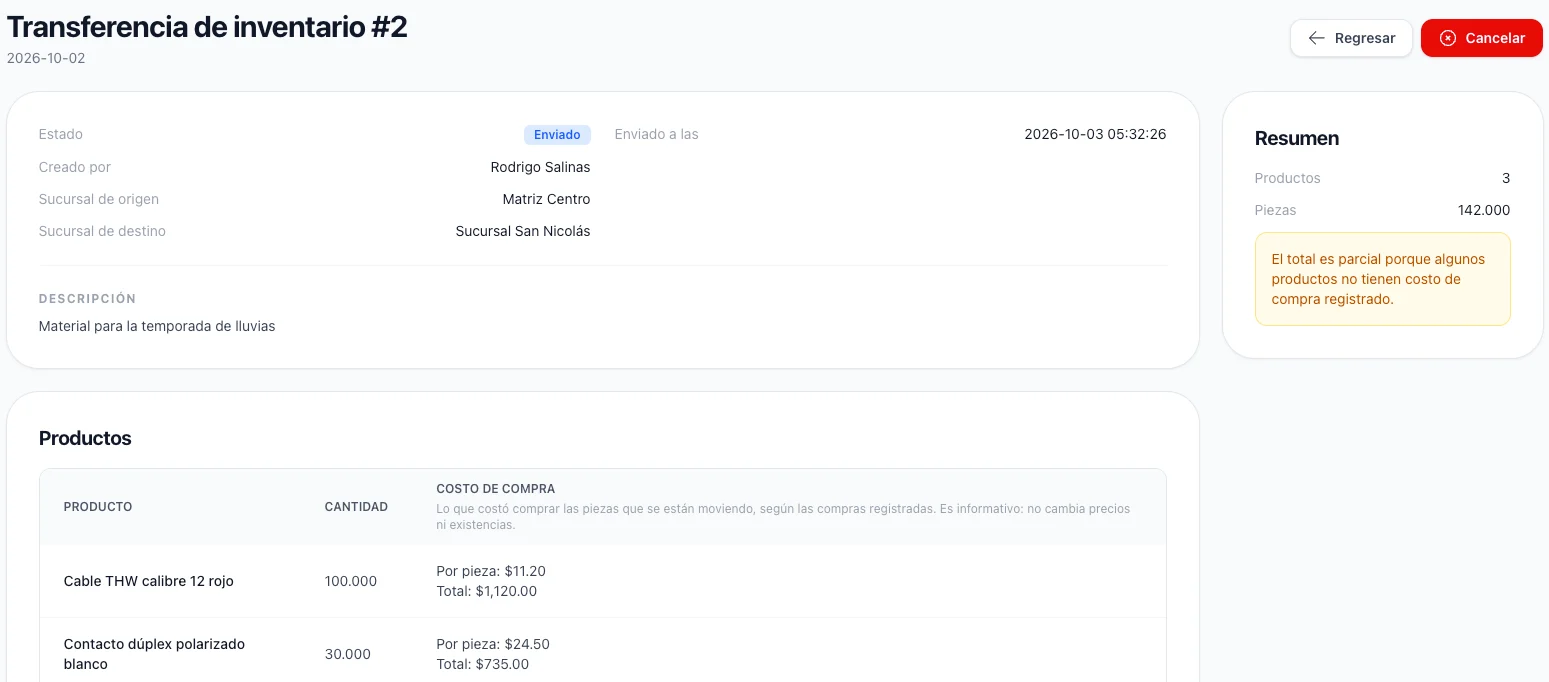
Move stock between your branches
One branch sends, the other confirms it arrived. In between, the units are out of the first and not yet in the second — which is exactly where they are in real life.
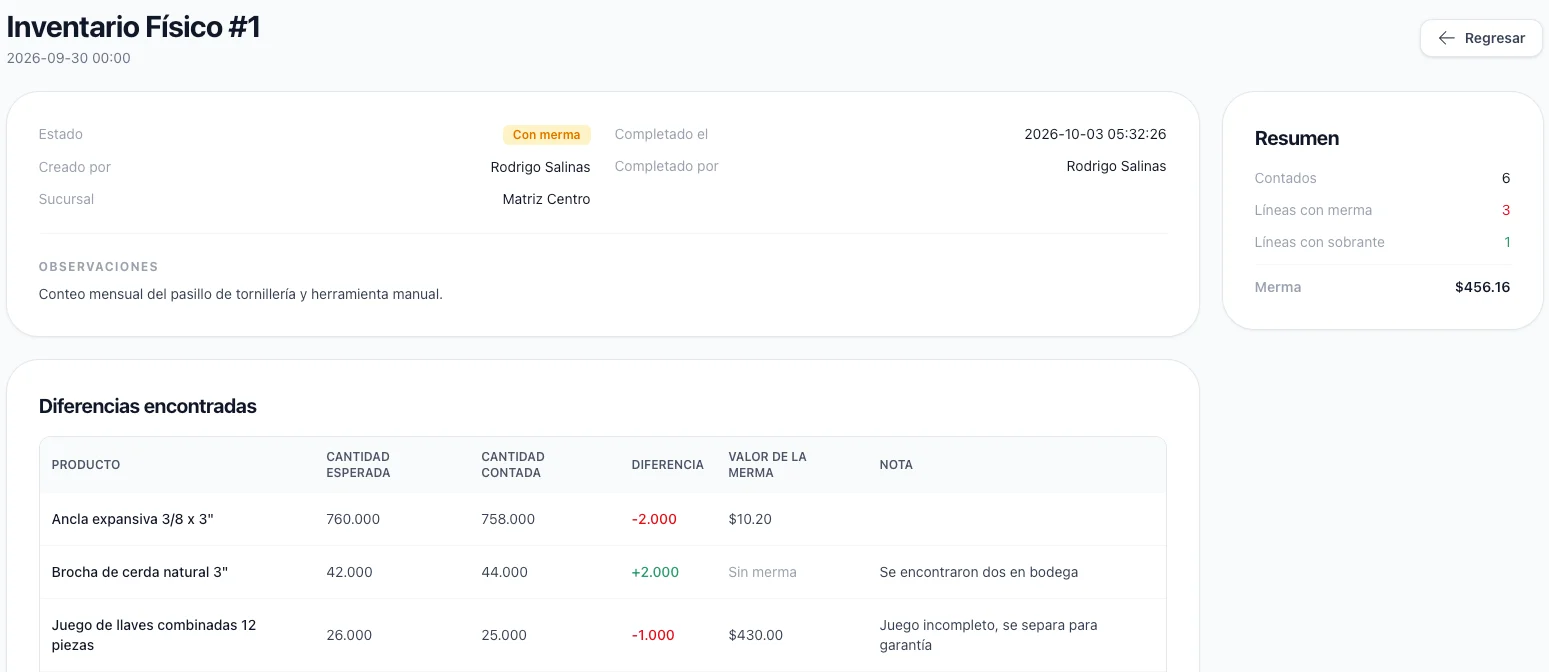
Correct a count without losing the history
Type the figure you actually counted and the difference is written down as one more movement. Nothing is overwritten, so next month you can still see what it said.